The Tiger Who Came to Tea
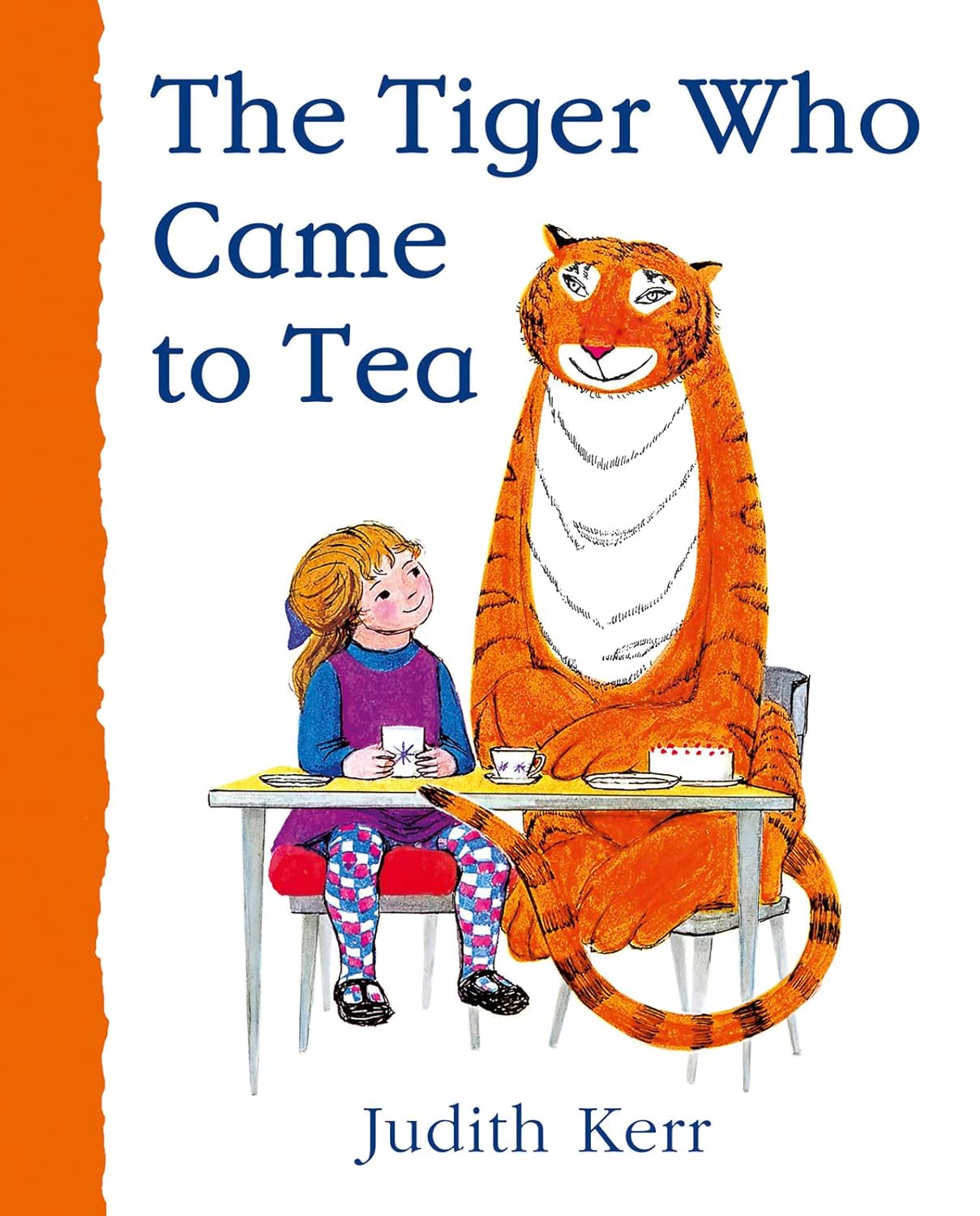
Verdict: Masterpiece | Parent Survival: 9/10
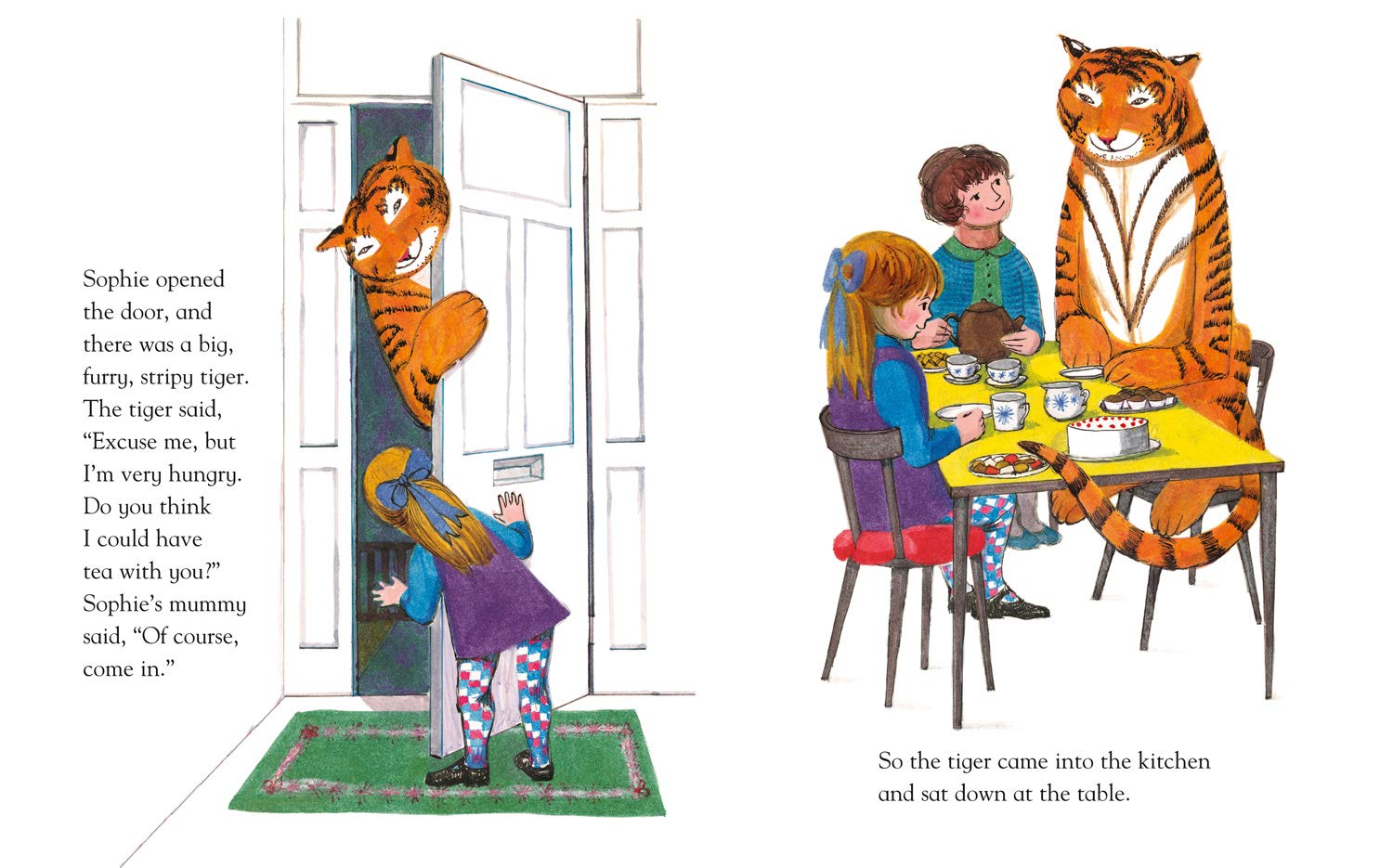
A tiger rings the doorbell.
Sophie’s mum opens the door and says, “Oh, I wonder who that can be.” It’s a tiger. A full-sized tiger. Standing on the doorstep. She invites him in for tea.
This is the most British thing I have ever read.
What Actually Happens
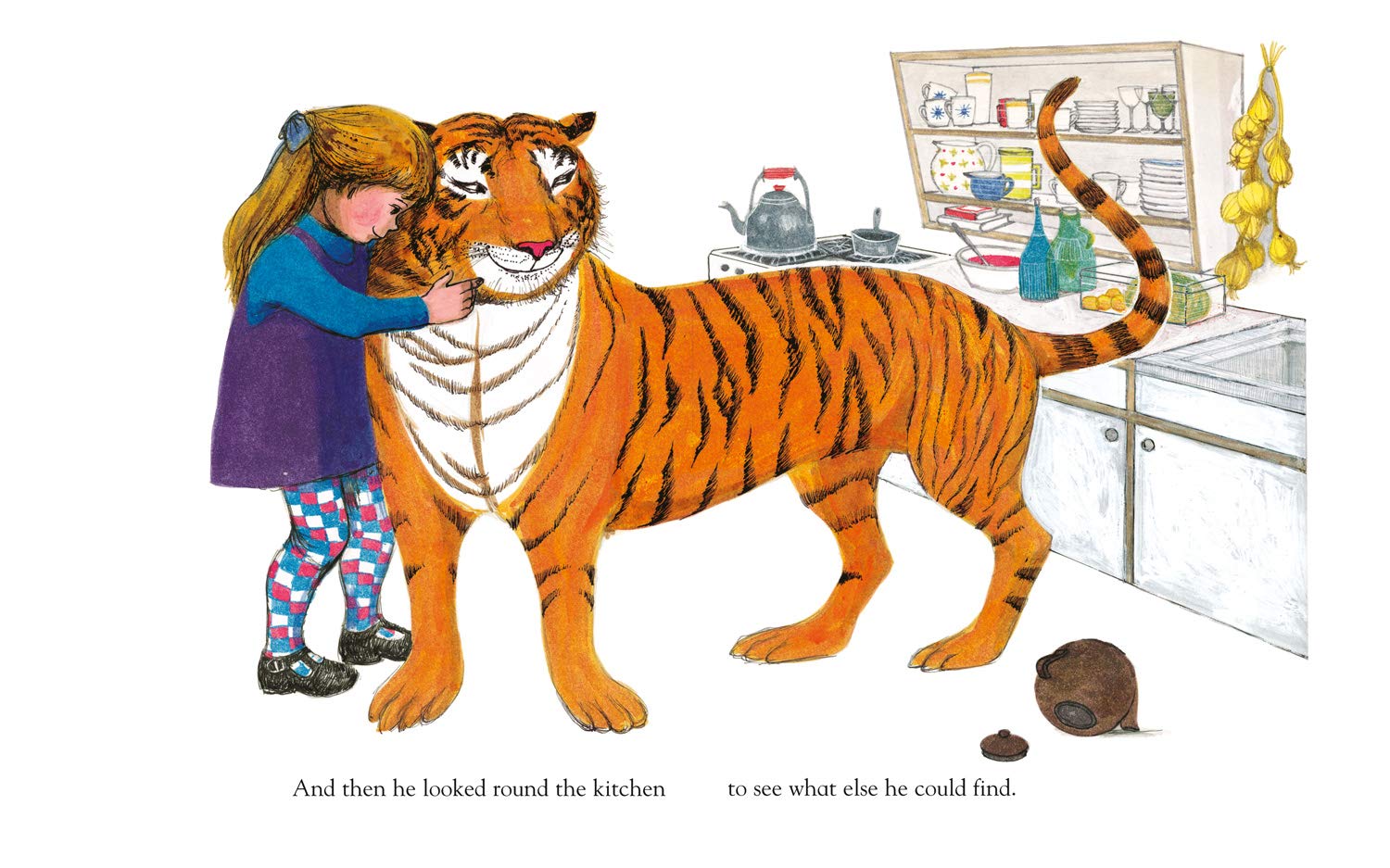
The tiger eats everything. I don’t mean “a lot”—I mean everything. All the sandwiches. All the buns. All the biscuits. All the cake. Then he drinks all the tea. Then all the milk. Then all the orange juice. Then all the water from the tap. Then all daddy’s beer.
Sophie and her mum sit there politely watching this happen.
At no point does anyone say “excuse me, perhaps you’ve had enough.” At no point does anyone call animal control. The tiger simply thanks them for the tea and leaves.
Then daddy comes home and they all go out for sausages because there’s no food left.
The end.
Why Is This Book So Good?
The magic of this book is how gentle it is. There’s something dreamlike about the whole thing—a tiger appears, eats everything, leaves, and life simply continues. Nobody is frightened. Nobody is upset. It’s slightly surreal in the way that the best children’s books often are: logic doesn’t quite apply, and that’s fine.
Judith Kerr’s illustrations are warm and charming. Sophie and her mum have this calm acceptance that makes the impossible feel cosy rather than alarming. The tiger himself is more friendly houseguest than wild animal.
Also, the bit where he drinks daddy’s beer is objectively funny.
The “Just In Case” Ending
Here’s the detail that elevates this from “good book” to “masterpiece”: at the end, Sophie and her mum buy a tin of tiger food to keep in the cupboard, just in case the tiger comes back.
He never does.
That single line—“But he never did”—has a wistfulness to it that I wasn’t prepared for. It’s a children’s book. About a tiger who eats everything. And somehow it made me feel a little melancholy about the impermanence of magical things.
(There’s a lovely detail near the end: a tiger-striped cat appears in the background. Is it meant to be the tiger, returned in a different form? Probably not. But I like to think so.)
Best For
Ages 2-5. Kids who love tigers. Adults who appreciate gentle surrealism and British understatement. Anyone who finds comfort in stories where strange things happen and everyone just gets on with it.
The History: Judith Kerr escaped Nazi Germany as a child, which makes the fact that she grew up to write such a gentle, warm, lovely book feel like its own kind of triumph.
Also Try: Mog the Forgetful Cat, also by Kerr. Same warmth, same charm, beloved cat.
Buy it here (Affiliate link. Tiger food fund.)